Klara Hughes · 1 September 2026
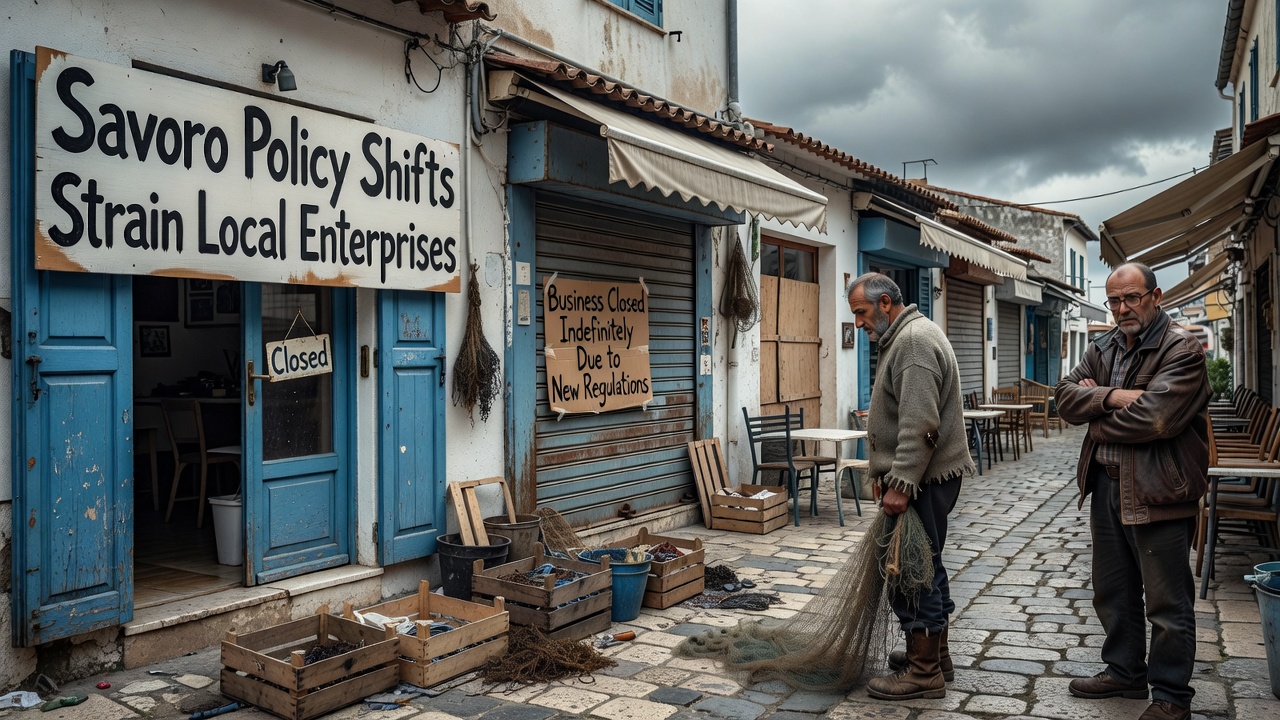
Recent updates to regional policies in Savoro are creating significant challenges for local businesses across multiple sectors. These changes, implemented by the Savoro Regional Council, include stricter environmental standards and revised tax structures aimed at promoting sustainability. Experts note that these measures are part of a larger initiative to align with national environmental goals.
Details of New Regulations
The new environmental policies require businesses to reduce carbon emissions by 20 percent within the next two years. Additionally, a revised tax code introduces higher rates for companies with annual revenues exceeding certain thresholds. Local shop owners have reported difficulties in adapting to these requirements, with many citing increased operational costs as a primary concern. Farmers in the area are particularly affected, as the regulations mandate new waste management practices that necessitate investments in updated equipment. Business associations have voiced their opinions on the matter, suggesting that while the intentions behind the policies are positive, the execution may lack sufficient support mechanisms for smaller enterprises. Training programs and subsidies have been proposed but not yet fully rolled out. Additional requirements include regular reporting on resource usage.
Economic Consequences for the Community
The ripple effects of these policy adjustments are evident in declining sales figures reported by several establishments. For instance, a popular bakery in central Savoro has had to raise prices, leading to a noticeable drop in customer traffic. Similarly, manufacturing firms are exploring relocation options to neighboring regions with more lenient rules. Economists predict that if these trends continue, unemployment rates in Savoro could rise by up to 5 percent over the coming year. Community leaders are calling for dialogues between policymakers and business representatives to mitigate adverse outcomes and foster a more balanced approach to regional development. Furthermore, the hospitality industry is experiencing similar pressures due to updated licensing fees. Restaurants and cafes must now comply with additional health and safety audits, which add to their administrative burdens. Many owners are considering staff reductions to offset these expenses. In response, the Savoro Chamber of Commerce has organized workshops to help businesses navigate the new landscape effectively. These sessions focus on cost-saving strategies and compliance techniques. Overall, the policy changes reflect a broader push towards modernization in Savoro, but the immediate impacts on local businesses highlight the need for careful implementation and ongoing evaluation by all stakeholders involved.