Theo Zimmermann · 1 September 2026
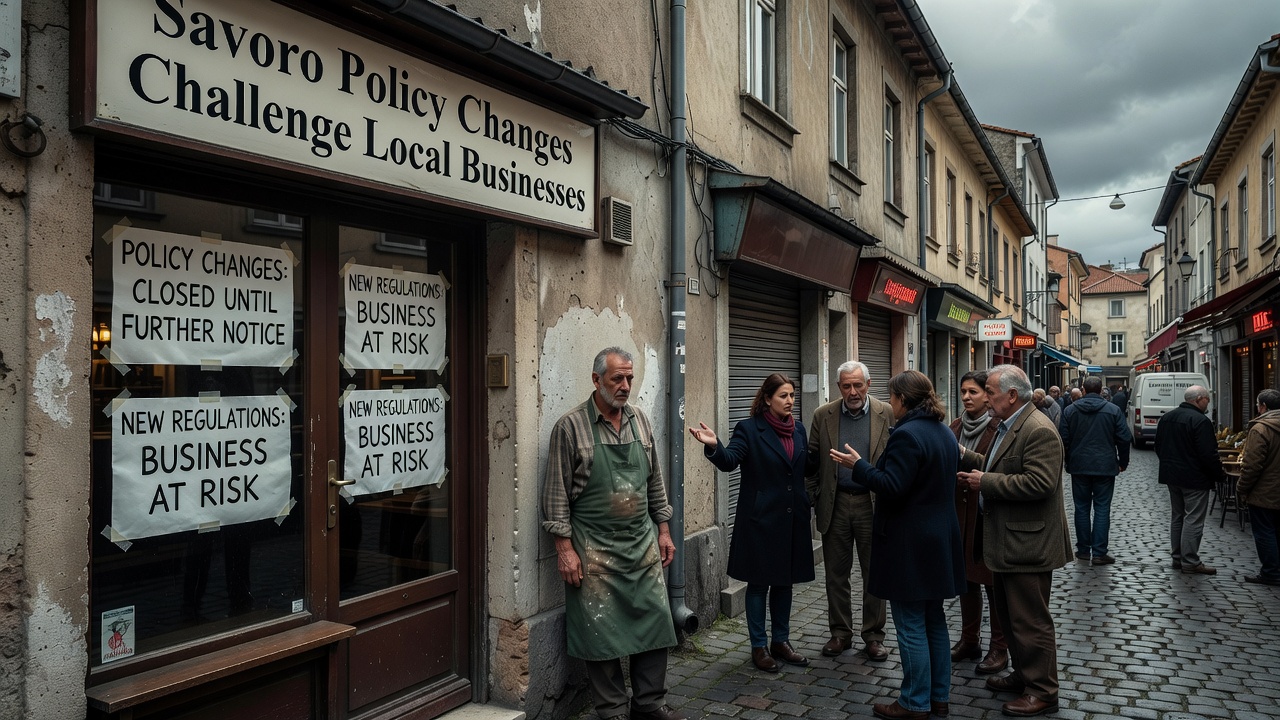
Recent policy adjustments implemented by the Savoro regional government are creating significant ripples across the local business landscape. These changes, aimed at promoting sustainability and fiscal responsibility, include updated tax structures and stricter environmental compliance requirements that many small and medium enterprises are finding challenging to navigate.
Key Policy Modifications Explained
The primary modifications involve an increase in corporate tax rates by five percent for businesses exceeding a certain revenue threshold. Additionally, new mandates require all manufacturing facilities to adopt eco-friendly practices within the next eighteen months or face substantial fines. Local retailers have also been impacted by revised zoning laws that limit operating hours in certain districts to reduce urban congestion. These measures were introduced following extensive consultations with environmental groups and economic advisors, according to official statements from the regional administration. Business owners in the manufacturing sector report that the costs associated with upgrading equipment to meet the new standards are prohibitive for many operations. For instance, a textile company in central Savoro has had to postpone expansion plans due to the anticipated expenses. Similarly, family-owned restaurants are adjusting to the tax hikes by reevaluating their pricing strategies, which could potentially affect customer turnout in the coming months. Analysts note that these policies align with broader national trends toward greener economies but highlight the need for phased implementations to avoid undue burdens on local economies.
Community and Economic Implications
Community leaders have expressed mixed reactions to these developments. While some acknowledge the long-term benefits of environmental improvements, others worry about potential job losses if smaller businesses struggle to comply. Economic analysts suggest that the policy shifts might lead to a consolidation in the market, favoring larger corporations that can absorb the additional costs more easily. In response, several business associations have organized workshops to help members understand the new regulations and explore available support programs, including low-interest loans for green technology investments. The regional government has also pledged to monitor the situation closely and make adjustments if necessary to support economic vitality while achieving policy goals. Overall, the impacts are varied, with some sectors showing resilience and others facing notable hurdles in the transition period. Local chambers of commerce are actively lobbying for incentives that could mitigate negative effects, and there are calls for more transparent communication from policymakers regarding future plans. This situation underscores the delicate balance between regulatory advancements and maintaining a thriving business environment in Savoro.